Deepaarogya AI Blogs

Why IVF Fails: Top 10 Reasons & How to Improve IVF Success Rate (2026 Guide)

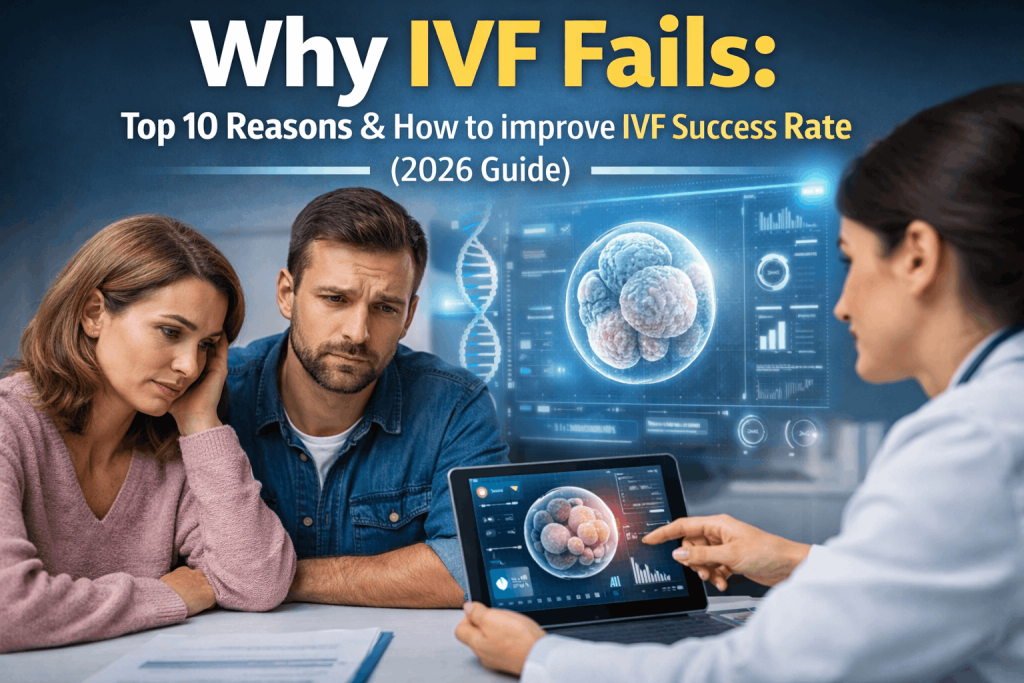
Fertility specialist discussing IVF failure and embryo quality analysis with couple

In Vitro Fertilization (IVF) has helped millions of couples conceive. However, IVF does not have a 100% success rate.

If you’re wondering why IVF fails or how to improve IVF success rate, this guide explains the most common causes and practical solutions backed by medical science and modern AI-driven insights.

What Is the Average IVF Success Rate?

IVF success depends heavily on age and individual health conditions:

  • Under 35: 50–60% per cycle

  • 35–37: 40–45%

  • 38–40: 25–35%

  • Over 40: 10–20%

But numbers alone don’t tell the full story.
Success is influenced by biological, technical, and data-driven factors.

Every failed IVF cycle carries data. The question is — is your clinic analyzing it deeply enough?

DeepaarogyaAI supports fertility centers with AI-powered treatment insights and patient response intelligence.

👉 Explore How AI Is Transforming Fertility Care https://www.deepaarogya.com/
Top 10 Reasons Why IVF Fails


1. Poor Egg Quality

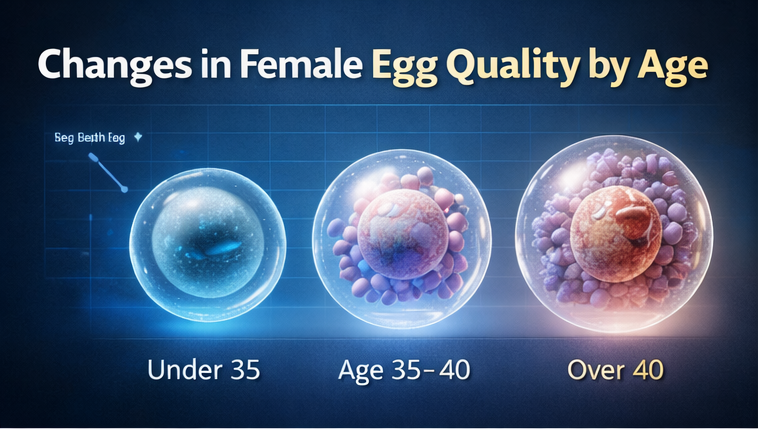
Egg quality declines naturally with age.
Chromosomal abnormalities prevent healthy embryo development.

How to Improve:

  • Early fertility testing

  • Genetic screening (PGT-A)

  • Personalized stimulation

egg quality decline and IVF success rate by age

2. Poor Sperm Quality

Even normal sperm count may hide DNA fragmentation issues.

How to Improve:

  • DNA fragmentation test

  • ICSI procedure

  • Lifestyle correction


3. Embryo Quality Problems

Embryos may stop developing due to chromosomal abnormalities.

How to Improve:

  • Blastocyst culture

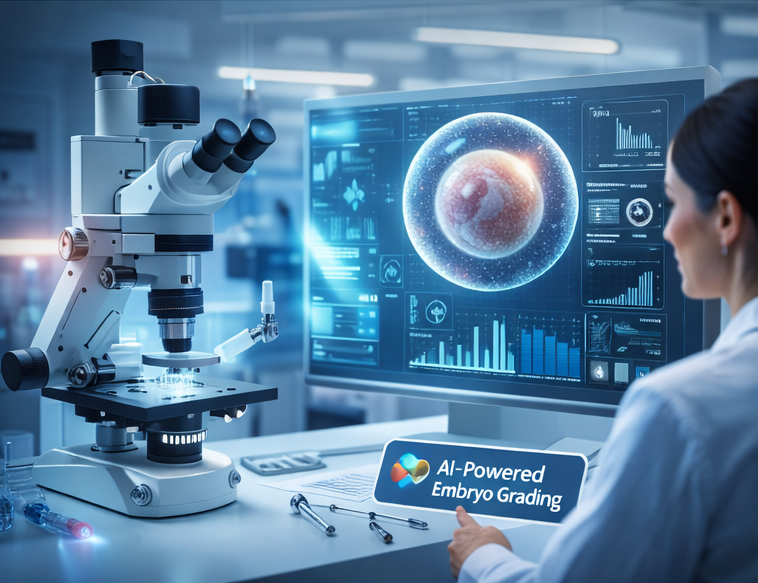
  • AI-assisted embryo grading

  • Genetic testing

AI-assisted embryo selection in IVF treatment

4. Implantation Failure

A healthy embryo may still fail to implant due to uterine issues.

Common causes:

  • Thin lining

  • Hormonal imbalance

  • Inflammation

How to Improve:

  • Endometrial receptivity testing

  • Hormone correction


5. Age Factor

Age remains the strongest predictor of IVF success.

After 35, egg quality declines significantly.


6. Hormonal Imbalance

Thyroid disorders, PCOS, and prolactin imbalance impact fertility outcomes.


7. Lifestyle Factors

Smoking, obesity, stress, and poor sleep negatively affect IVF success.


8. Poor Ovarian Response

Some women do not respond well to stimulation protocols.


9. IVF Lab Quality

Lab precision, culture media, and embryologist expertise play a major role.

advanced IVF laboratory environment for embryo culture

If IVF failure has raised questions, the solution is not more cycles —
it is smarter evaluation.

DeepaarogyaAI supports fertility centers in building precision-driven, patient-focused IVF systems.

👉 Learn How AI Can Strengthen Fertility Outcomes


10. Unexplained Infertility

Sometimes all reports look normal, yet IVF fails.

This is where deeper diagnostics and advanced data interpretation become essential.

How to Improve IVF Success Rate

Improving success requires personalization.

1. Choose the Right IVF Center

Look for transparent reporting, strong lab standards, and data-driven decision-making.

2. Optimize Health Before Treatment

  • Balanced diet

  • Correct deficiencies

  • Manage stress

3. Use Advanced Testing

  • Genetic screening

  • Endometrial testing

  • Sperm DNA analysis

4. Consider AI-Based Embryo Selection

AI tools help analyze embryo development patterns to:

  • Improve grading accuracy

  • Predict implantation potential

  • Reduce human bias

AI enhances medical judgment — it does not replace it.

IVF success is no longer based only on biology.
It’s based on how intelligently data is used.

DeepaarogyaAI works with fertility clinics to design smarter, insight-driven treatment workflows.

👉 Visit DeepaarogyaAI Website  https://www.deepaarogya.com/


Why IVF Success Is About Precision, Not Luck

Each failed cycle provides valuable clinical data.

The difference between repeated failure and success often lies in:

  • Better analysis

  • Better timing

  • Better personalization

Technology is helping fertility specialists move from assumption to prediction.
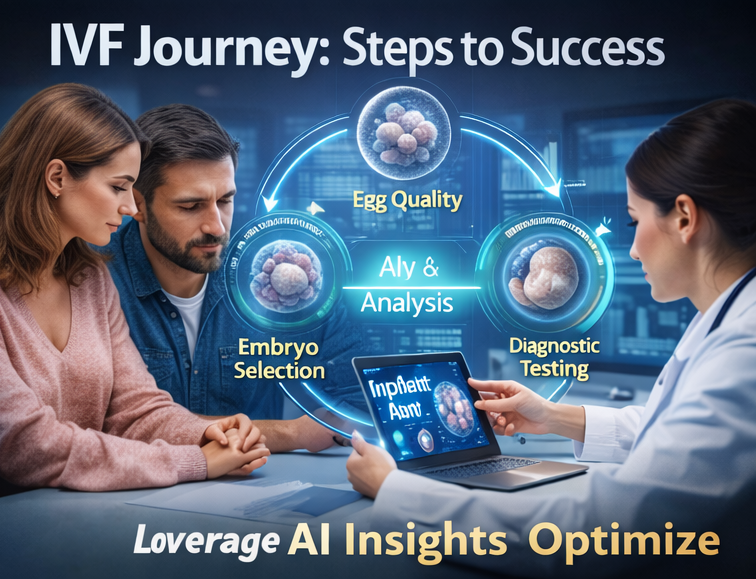
The Future of IVF: Smarter Fertility Care

Fertility treatment is evolving toward:

  • Genetic precision

  • Data-driven monitoring

  • AI-assisted embryo evaluation

The future of IVF is not just hopeful.

It is analytical, personalized, and predictive.


Frequently Asked Questions

Why does IVF fail the first time?

Because egg quality, embryo development, or implantation conditions may not be optimal.

How many IVF cycles are usually needed?

Many couples require 2–3 cycles depending on age and diagnosis.

Can IVF success rate be improved?

Yes. With proper medical planning, lifestyle optimization, and advanced diagnostics.

Does AI really improve IVF outcomes?

AI improves embryo selection precision and treatment personalization when integrated correctly.


Leave a Comment

Your email address will not be published. Required fields are marked *

Scroll to Top