
Introduction:
Clinicians using technology to care for patients: A Simple Guide
- Technology Is enhancing the practice of Medicine
Healthcare sector is changing rapidly. Recent innovations and devices are helping doctors and nurses take better care of their patients. However, some people feel sceptical or unsure about using technology in hospitals or clinics. They may believe that technology will make care less personal or be too difficult to learn.
But technology, when used the right way, makes work easier and helps us help even more patients. It minimises mistakes, saves time, increases efficiency and gives us more time and scope to connect with people who need our help. Let us try to understand how simple tools and smart gadgets can help us and our patients every day.
Better Care of Patients with smart devices.
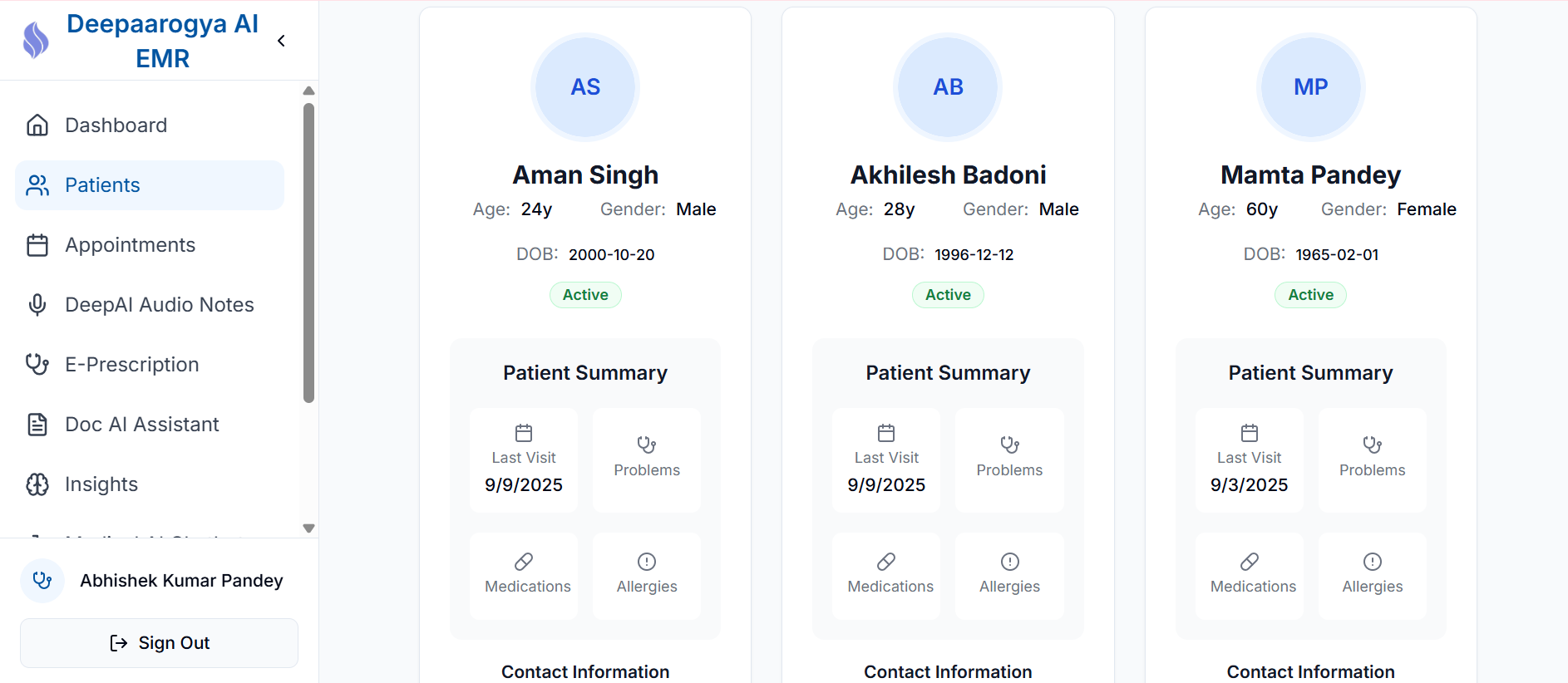
Many clinics and hospitals now utilise computers to store patient information. This is called Electronic Health Records, or EHRs.
*What Are Electronic Medical Records (EMRs)?
- EMRs contain all of a patient’s clinical history, allergies, blood tests, medications, and much more in one place.
- No more searching for paper files or old notes and archives; it’s all neatly stored digitally.
- You can quickly refer to notes from other doctors, nurses, specialists, and labs.
- EMRs reduces errors, such as giving the wrong medications or missing an allergy history of patient.
*What Is Telemedicine?
- This means seeing patients through video calls or phone calls.
- Patients who live far away, who are sick at home, or who can’t travel can still get care.
- You can talk, see each other, hear about their problems, and help with advice or prescriptions.
- Telemedicine became very popular during COVID-19, helping keep patients and staff safe.
Other Useful Tools :
- Some computer programs notify you when a patient is due for a checkup or test.
- They show warnings if a patient’s medicines might interact, or if their blood reports are not in the normal range.
- You get assistance in making decisions based on the latest clinical and treatment guidelines.
- Helping Patients Look After Themselves
It’s not just in clinics where technology helps patients. Many digital tools put the power to improve health in the hands of the patients themselves.
Mobile Phone Apps :
- Patients can download free apps to track blood pressure, blood sugar, symptoms, or medicines.
- These apps send reminders so they don’t forget to take pills or check their health insurance status.
- Some apps even connect patient directly to the clinic, so doctors can check their health updates.
Wearable Devices :
- More number of patients are now wearing “smartwatches” , fitness rings or fitness bands.
- These can check heartbeats, steps, sleep, exercise pattern and, in some cases, even irregular heart rhythms.
- If the device finds something wrong—like an unusual heartbeat—it can warn the patient or their doctor right away.
- These tools can catch health problems early, even before symptoms start.
Making Work Easier for Healthcare Workers through Automation
Doctors and nurses often have very hectic work schedules. Sometimes, paperwork and routine jobs take up too much time, leaving less time for caring for patients. Technology can come handy in such cases.
Automatic Scheduling and Reminders
- Computers can schedule appointments, send reminders to patients, and handle cancellations.
- Patients get texts or emails to remind them about visits, results, or follow-ups.
Talking to the Computer Instead of Typing manually
- Doctors can speak into a microphone, cell phone and software changes their voice into written notes.
- This is called “voice-to-text,” and it saves time after each patient visit.
- Clinicians can then spend less time on paperwork.
- Computers and chatbots can sort out lab results, forward doctor’s approved prescriptions to pharmacies
- Nurses and doctors don’t have to repeat the same tasks.
- Diagnosing and Treating Patients Faster and Smarter.
Artificial Intelligence (AI) in Healthcare
- AI algorithms can scan x-rays, MRIs, or lab results and pick out gross anomalies.
- AI can spot patterns and small problems (like a shadow/artefact on a scan) that might miss a human eye.
- It’s like having an extra pair of eyes, helping make sure nothing slips through the cracks.
Genetic Testing: Care That Fits Each Patient
- Doctors can test a small sample of blood or body fluids to look at a patient’s genes.
- This tells us about their risks for certain diseases.
- It also shows which medicines are likely to work best for their body and which ones might cause bad reactions.
- Treatments become more “personalised”—not the same for everyone, but just right for each person.
Learning and Teamwork Using Technology
Medicine changes quickly. New medicines, tests, standard guidelines and treatments tend to get revised over time. But learning and working together is much easier with technology.
Online Learning for Healthcare Workers
- No need to wait for big conferences—instead, you can join classes, watch videos, or read new articles on your phone or computer at the comfort of your home or office.
- Good for learning new skills, catching up on updates, or earning certifications.
Connecting with Other Clinicians
- Doctors, nurses, and specialists can join online groups, attend virtual case discussions, and work together on tricky, complicated cases.
- You can ask for advice and share experience with people nearby or across the world.
- More minds working together make for better care.
Real-Life Example: Telemedicine During COVID-19
The COVID-19 pandemic was very hard for patients and doctors. Seeing patients face-to-face was sometimes unsafe. But clinics that quickly used telemedicine—video or phone consultations—could still look after their patients, make sure they were doing well, giving timely advice, and updating medications.
People who couldn’t leave home, who lived far from a hospital, or who were very sick could still get care. Technology kept the connection between doctors and patients strong, even in the toughest times.
Tips for Clinicians: Getting Started with Technology
Trying something new can feel hard at first. But here are easy ways to start:
- Take small baby steps first :
- Pick one new tool (like a better EHR system or a telemedicine app).
- Try using it for a few patients.
- See what works and what feels tricky.
- Ask for Help
- Talk to other doctors or nurses who already use these tools.
- Ask your clinic’s IT team for a simple lesson or support.
- Keep Patients at the Center
- Choose technology that helps patients understand and manage their health.
- If a tool is confusing or adds to your workload, find another that fits your needs better.
- Stay Curious
- Technology is ever changing.
- Keep learning a little at a time.
- Remember: The Human Touch Is Still Important
- Computers and apps help, but your kindness and attention make the biggest difference.
Technology is not here to take over medicine. It’s here to make our work better, safer, and maybe even easier. When we use technology wisely, we can help more people, waste less time, and focus on what matters most—caring for our patients.
As a clinician, you already do important, life-saving work. Using new tools doesn’t mean you stop being a caring professional. It means you use every resource to do your job well.
The future is bright. Start with small steps, learn as you go, and see how technology can make medicine even better for everyone—patients and clinicians alike.