Many couples start IVF with hope — especially when all their medical reports look normal.
Hormone levels are fine.
Sperm count is healthy.
Ultrasounds appear normal.
Yet the IVF cycle fails.
This situation is more common than people realize. IVF failure does not always mean something obvious is wrong. Sometimes the reasons are subtle, complex, and difficult to detect with routine tests.
Understanding these hidden factors can help fertility specialists adjust treatment strategies and improve success rates.
What Is the IVF Success Rate?
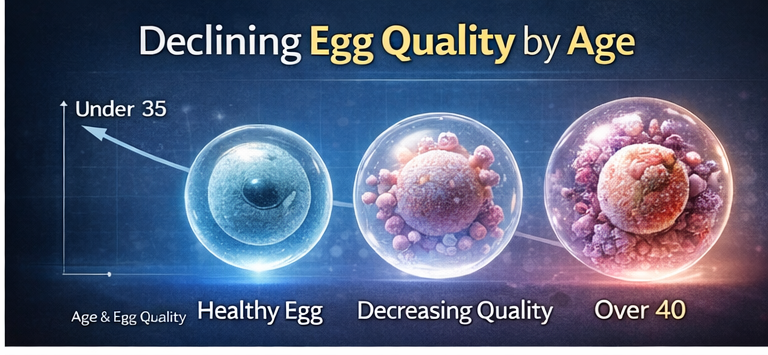
IVF success rates vary based on several factors including age, egg quality, and embryo health.
Average success rates per IVF cycle are:
Women under 35: 50–60%
Age 35–37: 40–45%
Age 38–40: 25–35%
Over 40: 10–20%
Even when test reports look normal, success depends on many biological processes happening behind the scenes.
DeepaarogyaAI supports fertility centers with AI-powered treatment insights and patient response intelligence.
Explore How AI Is Transforming Fertility Care https://www.deepaarogya.com/
7 Hidden Reasons IVF Fails Even When Reports Are Normal
1. Poor Egg Quality
A woman may have a normal ovarian reserve but still produce eggs with chromosomal abnormalities.
Egg quality cannot always be detected through routine blood tests.
Poor egg quality can lead to:
abnormal embryos
implantation failure
early miscarriage
How doctors improve outcomes
Fertility specialists may recommend:
genetic testing (PGT-A)
improved stimulation protocols
nutritional optimization
2. Hidden Sperm DNA Damage
Standard semen analysis measures count, motility, and shape.
However, it does not detect DNA fragmentation inside sperm cells.
High DNA fragmentation can affect embryo development and reduce IVF success.
Solution
Doctors may recommend:
sperm DNA fragmentation test
lifestyle changes
ICSI procedure
3. Implantation Window Problems
Even with a healthy embryo, implantation may fail if the uterus is not ready.
The uterus has a specific “implantation window” when the embryo can attach successfully.
If timing is off, implantation may fail.
How clinics address this
Doctors may perform Endometrial Receptivity Analysis (ERA) to determine the ideal transfer timing.
DeepaarogyaAI supports fertility centers in building precision-driven, patient-focused IVF systems.
Learn How AI Can Strengthen Fertility Outcomes

4. Embryo Chromosomal Abnormalities
Many embryos appear healthy under the microscope but still carry genetic abnormalities.
These embryos may fail to implant or stop developing early.
Solution
Preimplantation Genetic Testing (PGT-A) helps identify embryos with the highest chance of success.
5. Subtle Uterine Conditions
Some uterine problems are difficult to detect through standard scans.
Examples include:
mild endometriosis
chronic endometritis
small uterine polyps
These conditions can affect embryo implantation.
Doctors may recommend:
hysteroscopy
uterine biopsy
targeted treatment
6. Immune System Response
In some cases, the immune system may mistakenly react against the embryo.
This can prevent implantation even when everything else appears normal.
Although still being researched, immune factors may influence IVF outcomes in certain patients.
7. Stress and Hormonal Balance
Emotional stress does not directly cause IVF failure, but chronic stress can affect hormone balance and overall reproductive health.
Fertility treatment is emotionally demanding, and mental wellbeing plays an important role in the journey.
How Fertility Clinics Are Using Data to Improve IVF Success
Modern fertility care is becoming more personalized.
Clinics now use advanced technologies to analyze:
embryo development patterns
patient hormone responses
treatment outcomes
These insights help doctors make more informed treatment decisions.
Fertility treatment is evolving from guesswork to data-driven care.
Platforms like DeepaarogyaAI help fertility clinics analyze treatment patterns, patient interactions, and clinical insights to support smarter decision-making.
Book Free Demo https://www.deepaarogya.com/
Chat With Us On Whatsapp tel:+91 89795 23908
When IVF Fails: What Couples Should Remember
An IVF failure does not mean the journey is over.
In many cases, adjusting treatment strategies can significantly improve the chances of success in future cycles.
Fertility specialists often review previous cycles carefully to identify possible improvements.
Each cycle provides valuable information that helps guide the next step.
Final Thoughts
IVF is one of the most advanced fertility treatments available today.
But success depends on many factors that go beyond standard medical reports.
Understanding hidden causes of IVF failure helps couples and fertility specialists make better decisions and improve the chances of a successful pregnancy.
With advancements in medical research, data analysis, and emerging technologies, fertility care continues to evolve toward more precise and personalized treatment.
Frequently Asked Questions
Why does IVF fail even when reports are normal?
Because many fertility factors — such as egg quality, embryo genetics, and implantation timing — are not fully visible in routine tests.
How many IVF cycles are usually needed?
Many couples require two or three cycles before achieving a successful pregnancy.
Can IVF success rate be improved?
Yes. Personalized treatment, advanced testing, and better embryo selection techniques can improve outcomes.
Does stress cause IVF failure?
Stress alone rarely causes IVF failure, but managing emotional wellbeing can support overall reproductive health.